Game Mechanics
How Jump Mechanics Work

A jump is two numbers and one rule. What separates a jump that feels good from one that feels stiff is not the numbers - it is a handful of small corrections that are completely invisible when they work.
The three jump models
- Fixed
- One press, one identical jump. You control the moment and nothing else. Maximally learnable because it is perfectly consistent, and maximally demanding on timing because timing is your only input.
- Variable height
- Holding longer jumps higher. The game applies the full velocity on press and cuts it short on early release, so you are declining to remove height rather than adding it. This is why it only works while rising.
- Charged
- You hold before jumping and the accumulated charge sets the power. Timing is irrelevant - the character waits. The purest test of distance judgement, and the model that suits touch screens best.
Why the parabola happens on its own
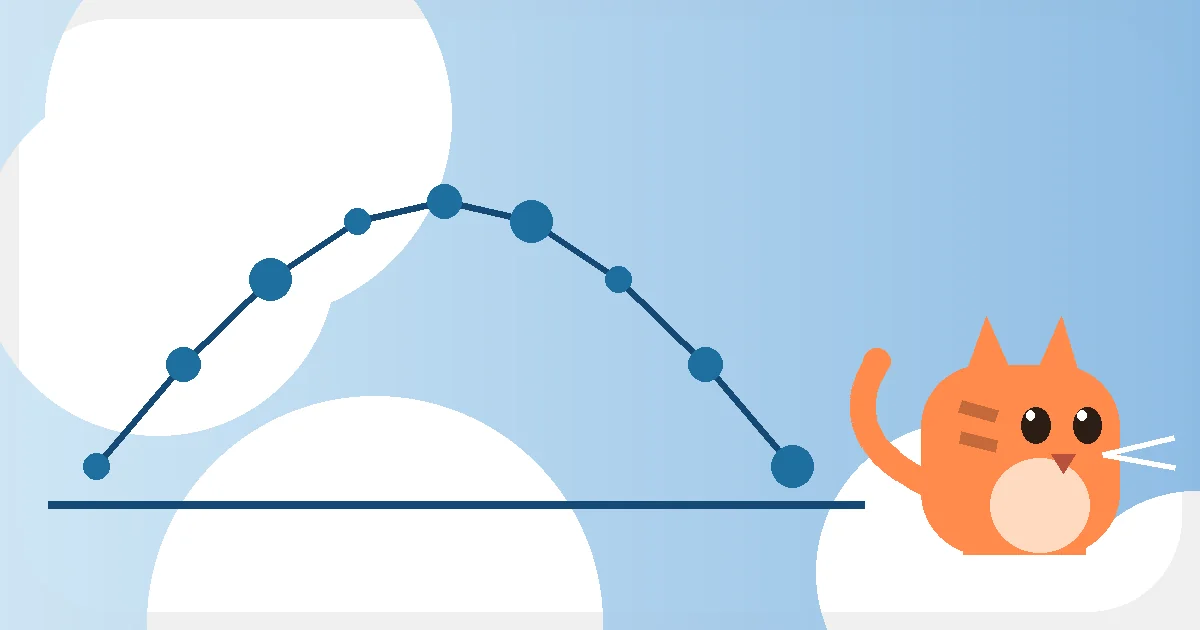
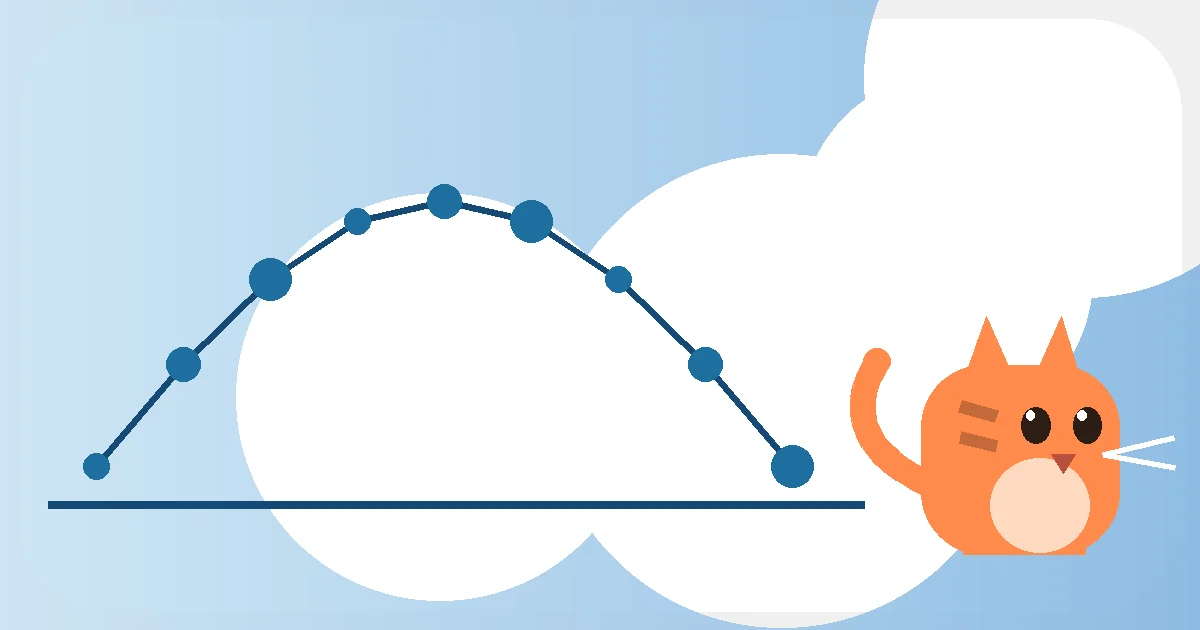
When you press jump, the game sets the vertical velocity to a large negative value. Each frame, gravity adds a positive amount back, and the velocity is added to the position.
The velocity therefore shrinks, reaches zero at the peak, and grows positive on the way down. Nobody writes a curve equation; the curve is what repeated addition produces. This is also why a jump's shape is completely determined at the moment of the press in a fixed-jump game.
Coyote time
Players consistently press jump a few frames after running off a ledge. Without help, those attempts fail - and from the player's side, nothing perceptible distinguishes them from attempts that worked.
Coyote time is a short window, typically around a tenth of a second, during which a jump pressed after leaving the ground still counts as a ground jump. It is named after the cartoon coyote who hangs in the air before falling, and it is standard practice in well-made platformers.
It is short enough to rescue genuine near-misses rather than careless play, and when it is working nobody notices it exists.
Input buffering
The reverse problem: a jump pressed slightly before landing. Without buffering, the press is discarded because the character was airborne, and the game appears to have ignored you.
Buffering remembers the press for a short window and fires it the instant the character touches down. The practical effect is that pressing jump slightly early works, which is what players expect.
Together, coyote time and buffering widen the window around a landing in both directions. That is most of what "responsive controls" means in a platformer.
Jump cancelling
In variable-height games, releasing the button multiplies the upward velocity by a fraction - typically somewhere around a half. The character stops rising much sooner without stopping dead, which would look wrong.
The multiplier is worth tuning carefully. Too aggressive and short jumps feel like the character was swatted downward; too gentle and holding the button makes almost no difference, so the mechanic goes unnoticed.
Why double jumps are usually absent
A double jump makes almost every gap reachable, which means no gap is a real decision and the level geometry stops meaning anything. That is why the dedicated platformers here do not have one.
Cat Dash does, and it is explicitly a recovery move: one extra hop per airborne period, intended for rescuing a mistimed jump rather than for routine use. Players who use it as part of their normal rhythm plateau quickly, because it makes every landing less predictable.
Tuning a jump that feels right
- Set the peak height from the levelDecide the tallest thing you want cleared, then work backwards to the jump velocity.
- Set the airtime by feelAdjust gravity until the hang time feels right for the game. Snappy games use strong gravity; exploratory ones use less.
- Add coyote timeAround a tenth of a second. You will not see it working; you will see the complaints stop.
- Add input bufferingA similar window. Together these are the largest single improvement to how a jump feels.
- Tune the release multiplier lastOnly for variable-height jumps, and only once the base arc feels correct.
Key Takeaways
- Fixed, variable-height and charged jumps test timing, hold length and distance judgement respectively.
- The arc is produced by repeated addition, not by a curve equation.
- Coyote time rescues jumps pressed just after leaving a ledge; input buffering rescues jumps pressed just before landing.
- Variable-height jumping cuts upward velocity on release - it does not add height on hold.
- Double jumps make level geometry meaningless, which is why good platformers usually omit them.
Frequently Asked Questions
Why does holding the button make me jump higher?
The full velocity is applied on press and cut short if you release early. Holding declines to remove height rather than adding it.
Is coyote time cheating?
No. It corrects for the gap between deciding to jump and your finger moving, which is a limitation of people rather than of skill.
Why do some games feel unresponsive?
Usually missing coyote time and input buffering. The jump physics can be identical and the game will still feel stiff.
Why is there no double jump here?
Because it would make every gap reachable and therefore meaningless. Cat Dash's is a deliberate exception as a recovery move.
Can I jump higher by pressing harder?
No. Keyboards and touch screens do not report pressure in any way a browser game uses. Only hold length matters, and only in variable-height games.